Celebrate Independence with a Watercolor Masterpiece
When a design project calls for the spirit of American patriotism, the visual choice you make sets the entire tone. Moving beyond standard clipart or flat vector graphics, the 4th of July Watercolor American Flag offers a sophisticated, artistic approach to holiday design. This isn't just a static image; it is a dynamic piece of digital art created to evoke emotion and authenticity. The watercolor medium brings a level of organic texture and fluidity that rigid digital graphics simply cannot match. It captures the movement of the wind in the stripes and the weathered texture of history in the stars, making it an ideal choice for anyone looking to create high-end, memorable content.
The Anatomy of Artistic Patriotism
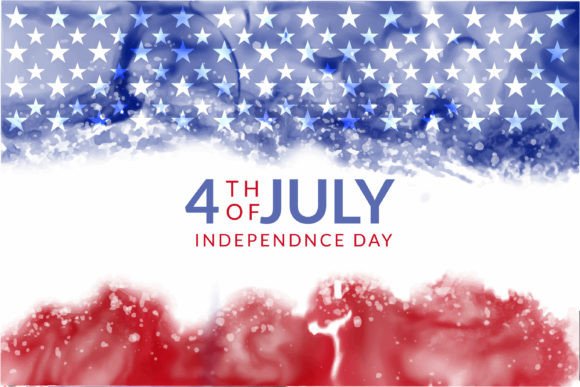
Understanding the visual characteristics of the 4th of July Watercolor American Flag is key to utilizing it effectively. The primary appeal lies in its texture. Unlike a flat vector file, this design features the bleed, wash, and granulation typical of traditional watercolor painting. You will likely notice soft edges where the red, white, and blue pigments blend into one another, creating a sense of depth and movement. This "wet-on-wet" look gives the flag a human touch, suggesting that the design was hand-painted rather than generated by an algorithm.
The color palette typically relies on true-to-life hues—a deep navy for the canton and vibrant cadmium reds for the stripes—but the watercolor technique softens these tones. The white of the flag is often represented by the negative space of the paper texture, adding a tactile quality to the digital file. This style fits perfectly within the current design trend of modern typography and organic textures, where brands are moving away from sterile perfection toward more authentic, hand-crafted aesthetics. Whether used as a full-bleed background or a focal point in a collage, the image commands attention without overwhelming the text or other design elements placed on top of it.
Practical Applications for Every Creator
The versatility of the 4th of July Watercolor American Flag extends far beyond simple holiday cards. Because this asset is provided as a high-resolution file, it integrates seamlessly into a wide variety of workflows for designers, marketers, and entrepreneurs. Here is how you can leverage this file across different mediums:
- Publishing and KDP: For self-publishers, this image is a goldmine. It works exceptionally well as a book cover background for historical fiction, cookbooks centered around summer BBQs, or patriotic poetry collections. The 300 DPI resolution ensures that the cover prints with crisp detail, avoiding the pixelation that plagues low-quality web images.
- Digital Marketing and Social Media: In the crowded space of social media, a standard stock photo often gets scrolled past. However, a creative font or artistic background stops the thumb. Use this watercolor flag as a background for Instagram stories, Facebook event covers, or email headers announcing Fourth of July sales. The artistic nature of the image suggests a premium offering, elevating the perceived value of the promotion.
- Physical Products and Merchandise: The applications for physical goods are vast. You can apply this design to packaging design for seasonal products, create custom stickers, or even use it as a background for print-on-demand items like tote bags or t-shirts. The texture holds up well on fabric and paper, providing a vintage or boutique feel.
- Corporate and Editorial Use: If you are working on internal communications or editorial design, such as a newsletter or a magazine feature, this background adds a festive yet professional touch. It signals the holiday theme immediately without looking childish, making it suitable for B2B communications or sophisticated lifestyle blogs.
Integrating Art into Your Brand Identity
Using a specific asset like the 4th of July Watercolor American Flag consistently across your seasonal campaigns can significantly influence your brand perception. In brand identity, consistency is the bridge between recognition and trust. If you are a small business owner, using this specific watercolor style year after year for your July promotions creates a signature look. Customers will begin to associate that specific artistic style with your brand, helping you stand out in a sea of generic red, white, and blue advertising.
Furthermore, the watercolor style influences visual hierarchy. Because the background is textured and colorful, it provides a rich canvas for typography. When pairing fonts with this image, you want to ensure readability. A bold sans serif font usually works best for headlines, as the clean, geometric lines of the letters contrast beautifully with the organic, irregular edges of the watercolor paint. If you need a softer look for a sub-headline, a clean script font can mimic the fluidity of the watercolor, but be careful not to choose a script that is too ornate, or it may get lost in the texture of the flag.
Technical Specifications and Workflow Tips
To get the most out of the 4th of July Watercolor American Flag, it is helpful to understand the technical specs provided. The file comes in a JPG format at (2700 x 1800) px and 300 DPI. This is a standard high-quality specification that balances file size with print quality. For digital use, this size is more than sufficient for web banners and desktop wallpapers. For print, it is perfect for standard letter-sized documents or smaller merchandise.
Here are a few practical tips for working with this file:
- Software Compatibility: Because it is a JPG, you do not need specialized software to open it. It is fully compatible with Canva, MS Word, MS PowerPoint, and Adobe Creative Cloud. This makes it accessible for hobbyists who might not have professional design software, as well as professionals working in complex environments.
- Color Adjustments: If the reds or blues are too vibrant for your specific brand palette, you can easily desaturate the image slightly or apply a filter to mute the tones. In Photoshop, using the "Multiply" blending mode can often help text sit "into" the watercolor paper texture, rather than floating on top of it.
- Cropping and Composition: Don't be afraid to crop the image. The resolution is high enough that you can zoom in on a specific section of the flag—perhaps focusing on the stars or a single red stripe—to create an abstract background that hints at the theme without being literal.
Ultimately, the 4th of July Watercolor American Flag is more than just a seasonal decoration; it is a versatile design asset